Transform Your Recycling Routine With These Top Tips
Are you looking to make a real difference in the environment? Recycling is a powerful way to reduce waste, conserve resources, and minimize your ecological footprint. But to truly make recycling count, it's important to move beyond basic habits and embrace a more effective routine. In this comprehensive article, we'll explore how you can transform your recycling routine with pro-level insights, actionable tips, and creative ideas that will help you maximize your positive impact.
Whether you're new to recycling or want to step up your sustainability game, these top recycling tips will keep you informed, motivated, and inspired to make the most of every bottle, can, and box you recycle.
Why Transform Your Recycling Habits?
Many people recycle, but not everyone recycles effectively. By optimizing your routine, you can:
- Reduce landfill waste and pollution
- Conserve natural resources like water, minerals, and timber
- Save energy and help combat climate change
- Support your local economy by fueling demand for recycled materials
- Set a positive example for friends, family, and neighbors
Let's unlock the strategies to transform your recycling routine and make every item count!
Assess Your Current Recycling Routine
The first step in upgrading your recycling game is to analyze your current habits. Ask yourself:
- Am I following my municipality's guidelines?
- Do I know what's actually recyclable locally?
- Do I clean and sort recyclables correctly?
- How much am I throwing in the trash that could be recycled?
Take a week to pay close attention to how you dispose of waste. This baseline will help you track improvements as you integrate new strategies and tips.
1. Know What's Accepted Locally
Every city, county, or recycling provider has its own rules regarding recycling. To truly improve your recycling habits, check your local government or waste management website, or print out their latest recycling list. The most common recyclables include:
- Paper and cardboard (office paper, magazines, cardboard boxes)
- Plastics (check resin code numbers on containers!)
- Metals (aluminum cans, tin cans, steel containers)
- Glass (clear, brown, green glass bottles and jars)
But remember that not all plastics or papers are recyclable everywhere. Be diligent in reading local requirements for items like plastic bags, styrofoam, or greasy pizza boxes.
2. Clean, Dry, and Sort Your Recyclables
One of the biggest obstacles to effective recycling is contamination. Food-soiled or wet recyclables can ruin entire batches, sending otherwise good materials to the landfill.
To transform your recycling routine, always:
- Rinse all bottles, jars, and cans before recycling
- Let printed materials dry if they get wet
- Remove food residue from containers
- Keep lids, caps, and labels if accepted (check your local rules!)
Tip: Don't bag your recyclables unless your program requires it. Loose recyclables are ideal for most curbside bins.
3. Reduce and Reuse Before You Recycle
Recycling is important, but it's not the first step in sustainability. You can dramatically decrease waste by focusing first on reducing consumption and then reusing items whenever possible.
Consider these practices:
- Buy products with minimal packaging
- Switch to reusable water bottles, coffee mugs, and bags
- Repurpose jars, boxes, and containers for storage
- Donate or sell unwanted items instead of throwing them away
By prioritizing reduction and reuse, you'll actually have to recycle less--and what you do recycle will be cleaner and easier to handle.
Top Tips for Recycling Common Materials
4. Paper & Cardboard
Paper is one of the easiest items to recycle, but it's often improperly disposed of. Here's how to get it right:
- Avoid recycling wet, soiled, or oily paper (e.g., napkins, pizza boxes)
- Collapse boxes to save space and prevent jams in sorting machines
- Remove liners or plastic windows from envelopes (if possible)
- Skip non-recyclable papers: waxed, laminated, or metallic-coated paper
5. Plastics
Plastic recycling can be tricky since not all plastics are created equal. Here are tips to boost your effectiveness:
- Look for resin codes (#1 - PET, #2 - HDPE are most widely accepted)
- Check if plastic caps/lids can be recycled locally--rules vary
- Never recycle plastic bags curbside; take them to designated collection bins if accepted
- Don't recycle foam (EPS) unless your community processes it
Tip: Consider reducing use of non-recyclable plastics (like black plastic containers) which can't be sorted easily by machines.
6. Glass Containers
- Rinse jars and bottles thoroughly to avoid contamination
- Remove metal lids (recycle separately!)
- Don't include ceramics, window glass, or mirrors--these have different melting points
Note: Some regions have stopped accepting glass curbside, so check local guidelines before recycling glass.
7. Metal Cans and Foil
- Clean food cans and foil before recycling
- Flatten cans if accepted--saves space
- No aerosol cans unless explicitly allowed
Handling Difficult or Special Waste Streams
8. Hazardous and Electronic Waste
Extended producer responsibility is growing, so check for take-back or drop-off programs for:
- Batteries and light bulbs
- Old electronics and cell phones
- Medications--never flush down the drain!
- Paints, oils, and chemicals
Never place these items in curbside bins. Many local governments host annual or seasonal recycling events for these products.
9. Clothing and Textiles
Did you know? Americans send millions of tons of textiles to landfill annually, but most fabrics can be recycled. Look for:
- Clothing donation centers
- Shoe and fabric recycling programs
- Retailer take-back schemes for worn-out clothes (e.g., H&M, Levi's)
For items too worn to reuse, search "textile recycling near me" to find collection points.
Innovative Ways to Boost Your Recycling Routine
10. Try Upcycling
Upcycling means turning waste into new, higher-value items. Get creative by repurposing jars into storage, turning old t-shirts into cleaning rags, or transforming pallets into furniture. You'll save money, reduce waste, and create something unique!
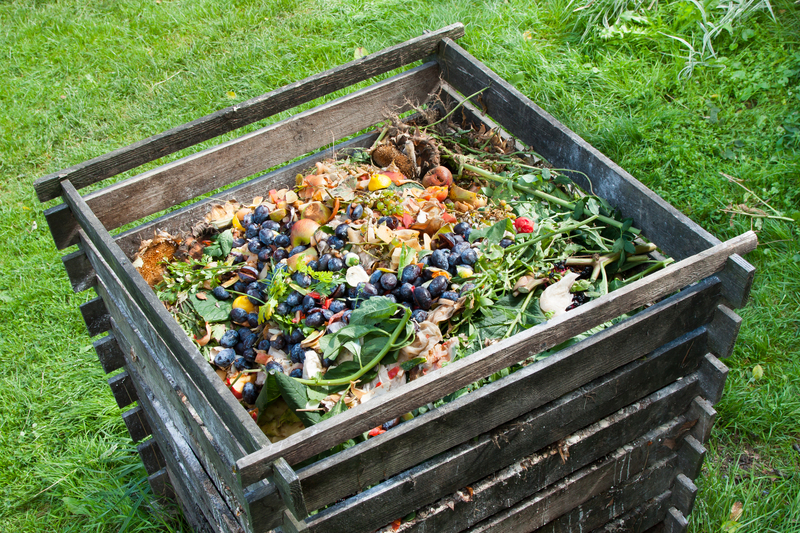
11. Compost What You Can
Composting kitchen scraps and yard waste reduces what you send to landfill and creates rich soil for gardening. Acceptable compost items include:
- Fruit and vegetable peels
- Coffee grounds and tea bags
- Eggshells
- Yard trimmings and leaves
Some cities offer curbside composting--check if yours does!
Get Your Community Involved
Transforming your recycling routine can inspire others. Here's how to multiply your impact:
- Share your knowledge with neighbors and friends
- Start or join local recycling initiatives--like neighborhood cleanups
- Advocate for expanded recycling programs at your workplace or school
- Encourage kids to recycle with fun sorting games and upcycling crafts
Use Technology to Stay on Track
Apps and smart devices make it easier to recycle right. Try:
- Recycle Coach or iRecycle for local guidelines and pickup reminders
- Product bar-code scanners to check recyclability
- Smart bins with sorting sensors (in some cities and campuses)
Stay informed by following recycling news and joining sustainability forums.
Common Recycling Mistakes (And How to Fix Them)
Avoid these pitfalls to supercharge your recycling routine:
- Wishcycling: Don't recycle questionable items hoping for the best--if in doubt, find out first
- Ignoring local changes: Recycling rules evolve--stay updated!
- Leaving items dirty, which can spoil entire batches
- Putting items inside each other (e.g., cans inside cereal boxes)--this causes sorting problems
- Forgetting to recycle at work or on vacation
Go Beyond Recycling For Greater Impact
To truly transform your recycling habits, strive for zero waste by making mindful purchasing decisions and advocating for sustainability in your community. Consider embracing:
- Bulk shopping to cut down on packaging
- Buying recycled-content products
- Repairing items instead of replacing them
- Volunteering for environmental causes
Start Transforming Your Recycling Routine Today!
Adopting a more effective recycling routine doesn't have to be overwhelming. By following these top tips for recycling, you'll not only help the planet, but also model responsible behavior for others. Remember: Every positive step counts--start today, and let your recycling journey inspire even greater change!
Ready to make a difference? Share these tips, track your progress, and challenge your community to recycle smarter. The future depends on the actions we take today--let's transform our recycling routines together!