Hard Rubbish 101: Learn to Dispose Smartly
In our ever-evolving world, proper waste disposal is paramount. Often, the spotlight shines on everyday household waste, but hard rubbish disposal deserves its own attention. From old furniture to defunct appliances, understanding how to dispose of hard waste smartly can benefit both the environment and your community. This comprehensive guide is here to help you navigate through the nuances of hard rubbish disposal.
What is Hard Rubbish?
Hard rubbish comprises bulky waste items that are not suitable for regular garbage collection due to their size or nature. Typically, these include:
- Furniture (e.g., sofas, tables, chairs)
- White goods, like refrigerators and washing machines
- Electronic waste (e.g., televisions, computers)
- Mattresses and bed frames
- Building materials and fixtures
These items often require special handling, as improper disposal can lead to environmental pollution and safety hazards.
The Environmental Impact of Hard Rubbish
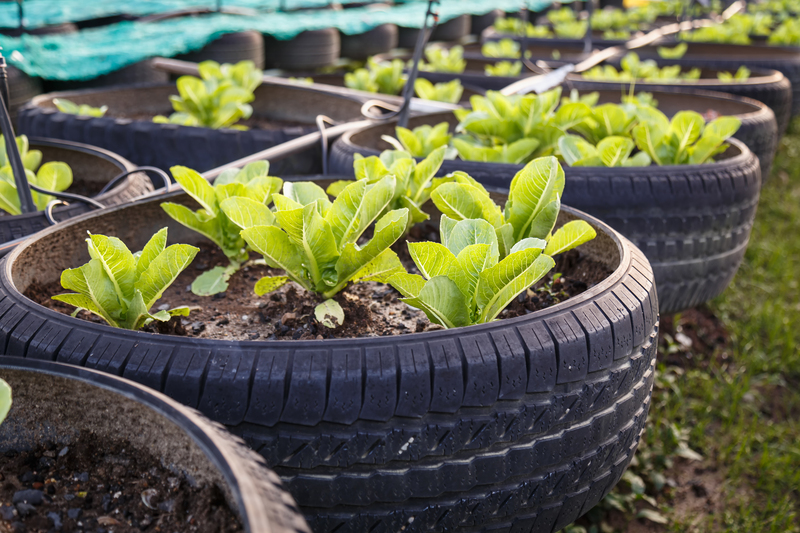
When not managed correctly, hard rubbish can contribute significantly to landfill overflow. Electronic waste, for example, contains hazardous materials such as mercury and lead, which can leach into the soil and water supply, causing long-term ecological damage. Wise disposal practices can reduce these negative impacts, promoting sustainable living and conserving natural resources.
Why Smart Disposal Matters
Taking care to dispose of hard rubbish smartly not only protects the environment but also maximizes the recovery of materials for reuse and recycling. This process minimizes the need for new raw materials and reduces the carbon footprint associated with production and transportation. Moreover, it ensures that non-recyclable components are treated safely.
Methods for Smart Disposal of Hard Rubbish
1. Council Collection Services
Most local councils offer scheduled hard rubbish collections, providing a convenient solution for residents. These services allow you to dispose of large items at designated times each year. Before setting things out for collection, verify what items your local council accepts, as guidelines may vary. Some councils also offer pick-ups for a fee or specific drop-off locations.
2. Recycling Centers and Transfer Stations
Many communities boast recycling centers and transfer stations where you can drop off hard rubbish. These facilities often accept a wider range of items for recycling than curbside collections. In some cases, you may be charged a small fee, but the added benefit of ensuring your waste is properly recycled is worth it.
3. Charitable Organizations
Before considering an item as waste, evaluate its condition for potential donations. Numerous charitable organizations accept gently used furniture, electronics, and appliances. Not only does this support a good cause, but it also prevents usable items from entering landfills prematurely. Be sure to check with the organization first to confirm they accept your items and adhere to any specific requirements.
4. Professional Junk Removal Services
If convenience is a priority, hiring a professional junk removal service might be the best choice. These services handle the heavy lifting for you, ensuring that items are disposed of, donated, or recycled correctly. Although this option can be more costly than others, the ease and efficiency it offers can be beneficial, especially for large clear-outs or heavy items.
Key Considerations When Disposing of Hard Rubbish
Check Local Regulations
Local disposal regulations can vary widely, and understanding them is crucial for smart disposal. Contact your local council or waste management authority for information on acceptable items, collection schedules, and any associated fees.
Dealing with Hazardous Materials
Some hard rubbish may contain hazardous materials requiring special handling. Proper identification and disposal of these items are essential to prevent environmental damage or health risks. For safe disposal methods, contact your local hazardous waste facility.
Preparing Items for Disposal
Before setting out your hard rubbish, ensure it's ready for collection or drop-off:
- Clean items to remove debris and contaminants.
- Disassemble larger pieces for easier handling.
- Secure loose parts to prevent them from becoming hazards.
Sustainability through Upcycling
For those with a creative spirit, upcycling can transform unwanted items into new, useful products, reducing waste even further. This practice encourages creativity and can result in unique and functional home decor or furniture.
Conclusion
Smart disposal of hard rubbish is a responsibility we all share, one that benefits the planet and our communities. By understanding the options available, such as council collections, recycling centers, charitable donations, and professional services, you can take proactive steps to dispose of your hard rubbish with care and consideration.
By following these practices, you contribute to a cleaner, more sustainable world, ensuring that hard rubbish disposal is both effective and environmentally friendly. Embrace the challenge and become an advocate for responsible waste management today!